Drowning Doesn’t Look Like You Think It Does
Aspirus trauma expert shares life-saving water safety tips ahead of World Drowning Prevention Day
7/23/2026
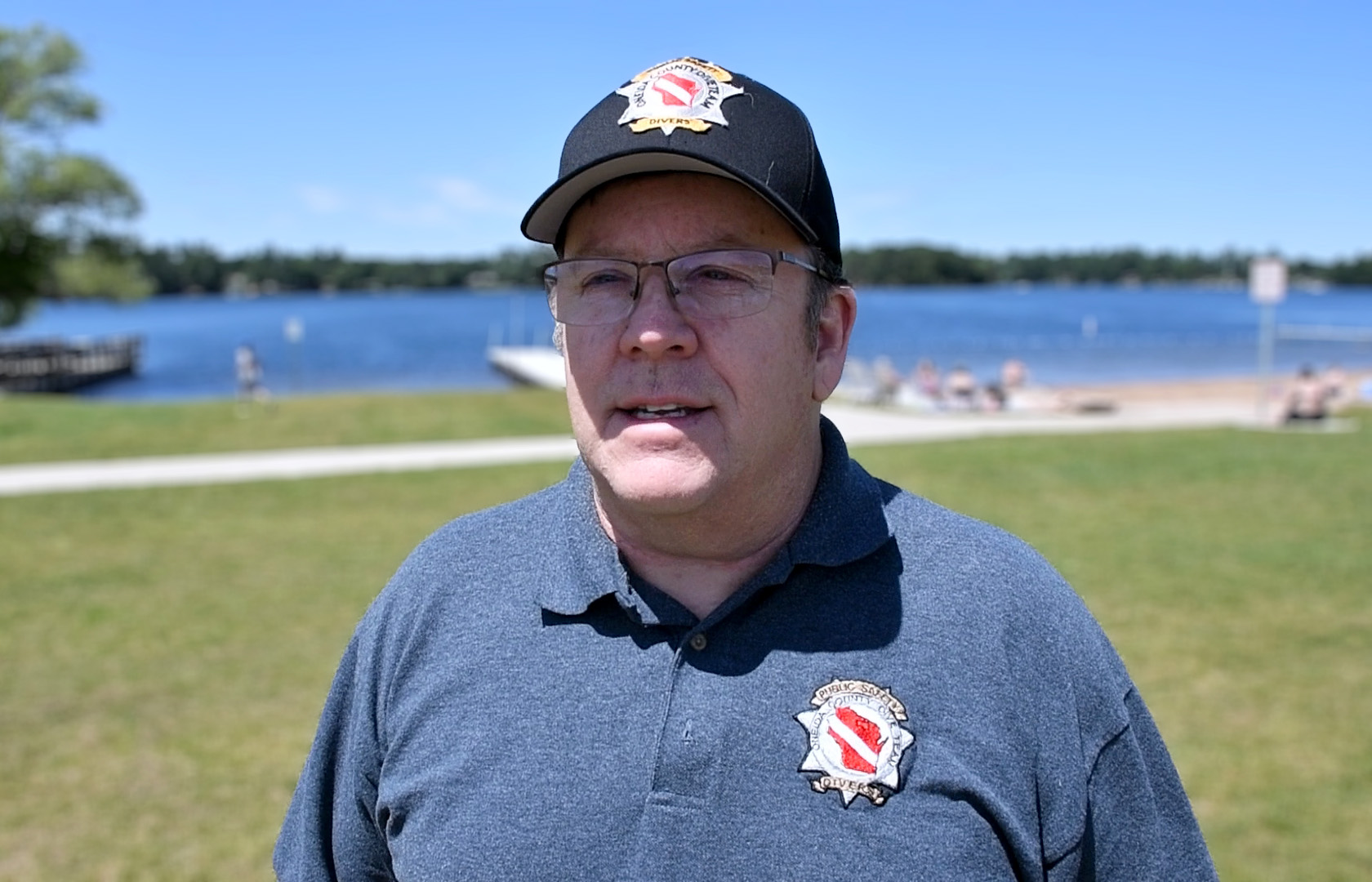
Michael Fraley, Aspirus Trauma Registrar and Oneida County Public Safety Dive Team Leader
As families head to lakes, rivers and pools this summer, a local trauma expert is reminding everyone that drowning is often fast, silent and difficult to recognize.
World Drowning Prevention Day, observed annually on July 25, serves as a reminder that many drowning deaths are preventable. According to the Centers for Disease Control and Prevention (CDC), an estimated 4,000 fatal unintentional drownings occur in the United States each year, an average of 11 deaths per day. An additional 8,000 nonfatal drownings are treated in emergency departments annually.
"The biggest thing we want to make people aware of is that drowning doesn't look like you think it does," said Michael Fraley, Aspirus trauma registrar and team leader of the Oneida County Public Safety Dive Team. "It's quiet. They can't breathe, so they can't make noise."
Because drowning is often so difficult to recognize, Fraley says knowing the warning signs is critical. A person who is drowning usually won't wave or scream for help. Instead, they are often upright in the water and struggling to stay afloat. If someone appears to be making little forward progress or is struggling to keep their head above water, they may be in distress and need immediate help.
In most cases, bystanders have less than a minute to respond when someone is in distress in the water. According to Fraley, a drowning person can submerge in as little as 20 to 60 seconds after showing signs of struggle. Every second counts when someone is drowning.
Fraley says the safest approach is to use a rescue aid, such as a life jacket, throwable flotation device or even a pool noodle, to extend flotation to the person without putting the rescuer at risk. Many public beaches and pools have rescue equipment available, and knowing where it is before an emergency can save valuable time.
Children are especially vulnerable. According to the CDC, drowning is the leading cause of death for children ages one to four and the second leading cause of unintentional injury-related death for children ages five to 14.
Responding to water emergencies is something Fraley knows firsthand. In addition to his role at Aspirus, he leads the Oneida County Public Safety Dive Team, which serves communities throughout the region. Formed after a local drowning tragedy, the team covers an area that includes more than 1,100 lakes in Oneida County alone.
“All of our divers go through open water dive training,” Fraley said. “We train them to use dry suits and dive in a variety of conditions, including at night, low visibility, deep water and under ice. It takes almost a full year to get a new diver on board and fully trained.”
This World Drowning Prevention Day, Fraley encourages families to learn the signs of drowning, closely supervise children whenever they're in or near water and be prepared to respond quickly. Recognizing that drowning is often silent can make the difference in an emergency.

Back to all Posts