When Eating Disorders Affect the Whole Family
National Eating Disorders Awareness Week | Feb. 23–March 1, 2026
2/23/2026
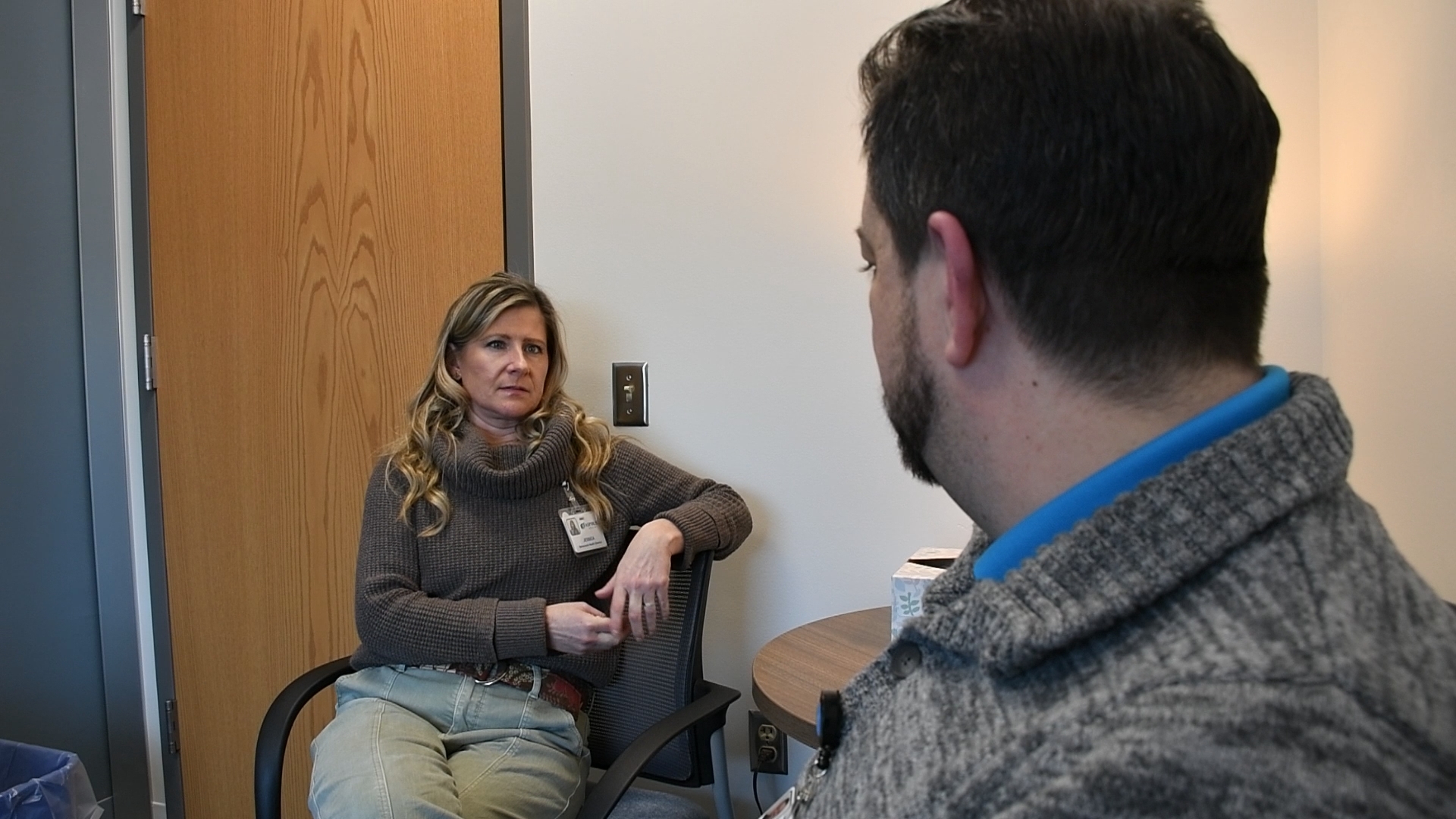
Jessica Schiek, Aspirus Director and Behavioral Health Service Line Administrator
Eating disorders are serious mental health conditions that can affect the entire family. Many people associate them with food or weight changes, but the impact often reaches beyond eating habits and into relationships, routines, and emotional well-being.
“It’s not just eating too much or eating too little,” said Jessica Schiek, LPC, Director, Behavioral Health Service Line Administrator at Aspirus Health. “It’s a comprehensive mental health condition that affects behaviors, moods, physical health, and attitudes related to food.”
The early warning signs are not always physical. Families may notice changes in routines or social habits, and those shifts can feel confusing at first.
“Most people think of weight loss first, but that might not be the first thing someone notices,” Schiek said. “You may see food avoidance, avoiding social situations that involve food, or sudden restrictions around certain types of foods.”
Mood shifts or irritability may follow. Eating disorders also intersect with anxiety, depression, trauma, or substance use, which can make a loved one’s behavior difficult for families to interpret and can strain communication at home.
Schiek encourages families to seek professional guidance when something feels different rather than waiting for symptoms to worsen.
“Come at it with a supportive, caring approach,” she said. “Set aside dedicated time in a private space and open up communication. It might not always be well received, but it can be a place to start.”
Treatment typically involves coordinated care from medical and mental health professionals. Families are often an important part of that process. Resources for caregivers and siblings are available through organizations such as the National Eating Disorders Association (NEDA).
“The most important thing to know is that recovery is possible,” Schiek said. “It might take time, and relapse can be part of recovery, but there is hope.”
If you or someone you love may be struggling with an eating disorder, speak with a primary care provider or behavioral health professional. To learn more about behavioral health services at Aspirus Health, visit aspirus.org/mental-health-treatment-counseling.

Back to all Posts