Is your sleep tracker making it harder to sleep?
A growing phenomenon known as orthosomnia is raising questions about how we use sleep data.
10/30/2026
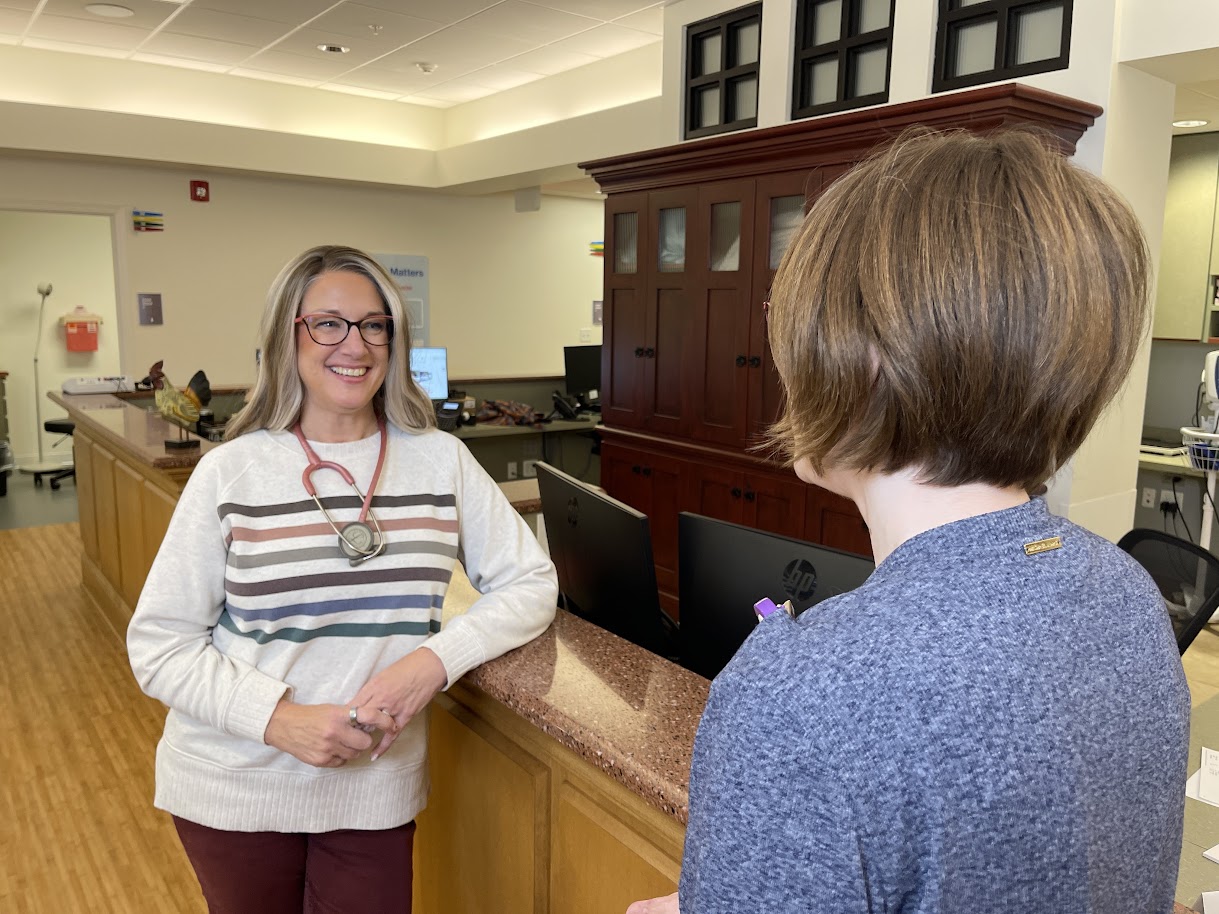
Nicole Shockley, APRN, CNP, Aspirus Primary Care Provider
Nearly half of U.S. adults (48 percent) have used a sleep-tracking device such as a smartwatch, ring or smartphone app to monitor their sleep quality and duration, according to a recent survey from the American Academy of Sleep Medicine. While these tools can offer valuable insights, health experts caution against putting too much stock in your sleep score.
"Patients can bring in data from sleep trackers, and that information can be very useful," said Nicole Shockley, APRN, CNP, a primary care provider with Aspirus Health. "They are helpful tools, but they're not the full picture."
Sleep trackers have become increasingly sophisticated, offering detailed information about everything from sleep stages to overnight recovery. However, a recent systematic review found that wearable sleep measurements do not always align with how people rate the quality of their own sleep, suggesting that sleep scores may not tell the whole story.
"They can be too sensitive, or maybe not sensitive enough," Shockley said. Sleep trackers are often helpful for identifying long-term patterns and trends, but they cannot determine whether someone has a sleep disorder or replace a medical evaluation.
That's where problems can arise. When users treat sleep-tracker data as a definitive measure of their health, a disappointing sleep score can create unnecessary worry.
"There are some dangers when it comes to monitoring," Shockley said. "If people become hyper-focused on the data, it can lead to an increase in anxiety and stress, which both affect sleep."
Researchers have even coined a term for this phenomenon: orthosomnia, or an unhealthy fixation on achieving perfect sleep based on wearable-device data.
That's not to say sleep trackers aren't useful. For example, some may alert users to patterns that could warrant further investigation, such as frequent nighttime awakenings, irregular breathing patterns or signs that sleep quality may be declining over time. While one or even several low sleep scores aren't necessarily cause for alarm, persistent symptoms are worth discussing with a provider.
"If you have any concerns at all in regard to the data from your tracker, it's worth the conversation," said Shockley. "The most helpful thing that someone can do at any age is have that good relationship with a primary care provider."
Symptoms such as chronic fatigue, loud snoring, pauses in breathing during sleep or ongoing daytime sleepiness may indicate an underlying sleep disorder that cannot be diagnosed by a wearable device alone.
As far as getting a good night’s sleep, Shockley says one of the best things you can do is to keep a consistent schedule. That holds true even when an hour is gained or lost due to daylight saving time.
"Consistency is what matters the most," she said. "If you normally go to bed at 9:30 every night, keep that routine, even on the weekends."
If you have questions about your sleep habits, talk with your primary care provider. To find an Aspirus provider near you, visit aspirus.org and use the Find a Doctor tool.

Back to all Posts