Driving Positive Impact
How Rural Health Care Strengthens Communities
11/19/2026
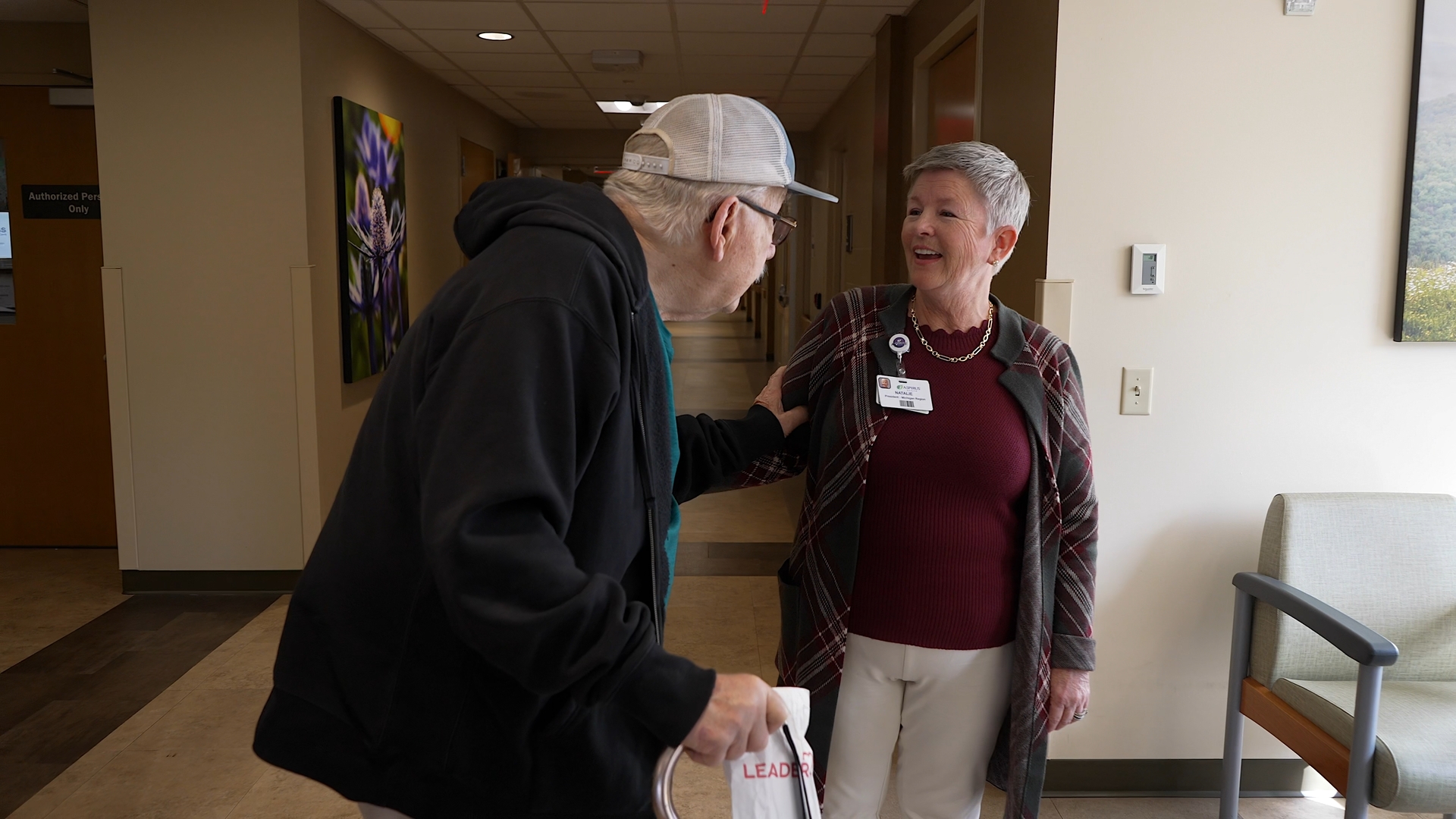
Natalie Seaber, President of the Michigan Region at Aspirus
Rural communities face unique health care challenges, including provider shortages, transportation barriers, food insecurity and limited access to specialized services. National Rural Health Day recognizes the organizations, providers and community partners working every day to address those challenges and ensure rural residents can access the care and resources they need close to home.
In communities across northern Wisconsin, Michigan and Minnesota, hospitals and clinics serve as more than places to receive medical care. They often serve as central hubs that connect residents with preventive services, community resources and programs designed to address the social and economic factors that influence health. Strong partnerships between health systems, nonprofit organizations, schools, local governments and community agencies help expand support well beyond the walls of a hospital.
"Rural communities often face socioeconomic disparities that affect health and well-being," said Natalie Seaber, President of the Michigan Region for Aspirus Health. "By building strong partnerships with community organizations, we can help address challenges such as transportation, food insecurity and preventive health needs while connecting people to resources that improve overall wellness."
National Rural Health Day also highlights ongoing workforce and access challenges facing rural providers nationwide. Recruitment remains particularly difficult as many health care graduates choose to practice in larger metropolitan areas. Nearly 60 percent of federally designated health professional shortage areas are located in rural communities, and more than 200 rural hospitals have closed across the United States since 2005. Transportation barriers continue to make it difficult for many patients to reach needed care.
"The biggest challenge facing rural health communities today is the health care provider shortage," Seaber said. "It's not only about having enough clinicians to deliver high-quality care every day. It's also about ensuring patients can access that care. Transportation continues to be a significant challenge for many rural residents."
Aspirus continues investing in rural communities to keep care close to home. Recent initiatives include expansion projects and facility improvements across Wisconsin, Minnesota and Michigan, including renovation work at Keweenaw Hospital and expansion efforts at the Houghton Clinic. These investments help bring additional services and specialty care closer to where patients live.
"By investing in our rural communities and expanding services, including specialty care, we're making it easier for patients to access high-quality care close to home," Seaber said. "That's a key part of our mission at Aspirus."
Rural health systems increasingly focus on addressing barriers that directly affect health outcomes. Through partnerships such as the Fruit & Vegetable Prescription Program, eligible families receive vouchers to purchase fresh produce from local farmers' markets. Aspirus also partners with community organizations to provide recovery coaching services for patients seeking support for substance use disorders and connects eligible diabetic patients with medically tailored food through the NourishedRx program.
"Driving positive impact means creating measurable improvements in the health and well-being of the communities we serve," Seaber said. "That includes expanding access to care, focusing on prevention, supporting local economies and collaborating with community partners to address challenges that affect health long before a patient enters a clinic or hospital."
As communities celebrate National Rural Health Day, leaders hope the observance serves as a reminder that improving health requires collaboration among providers, educators, public agencies, businesses and community members. Together, these partnerships help ensure rural residents can live healthier lives and continue receiving high-quality care close to where they live, work and raise their families.
"Positive impact happens when health care organizations work alongside the communities they serve," Seaber said. "By listening, collaborating and investing in the health of our neighbors, we can build stronger, healthier communities for generations to come."
For more information, visit aspirus.org.

Back to all Posts