Know your pneumonia risk and when to seek care
World Pneumonia Day highlights the importance of prevention, vaccination and early recognition of symptoms
11/11/2026
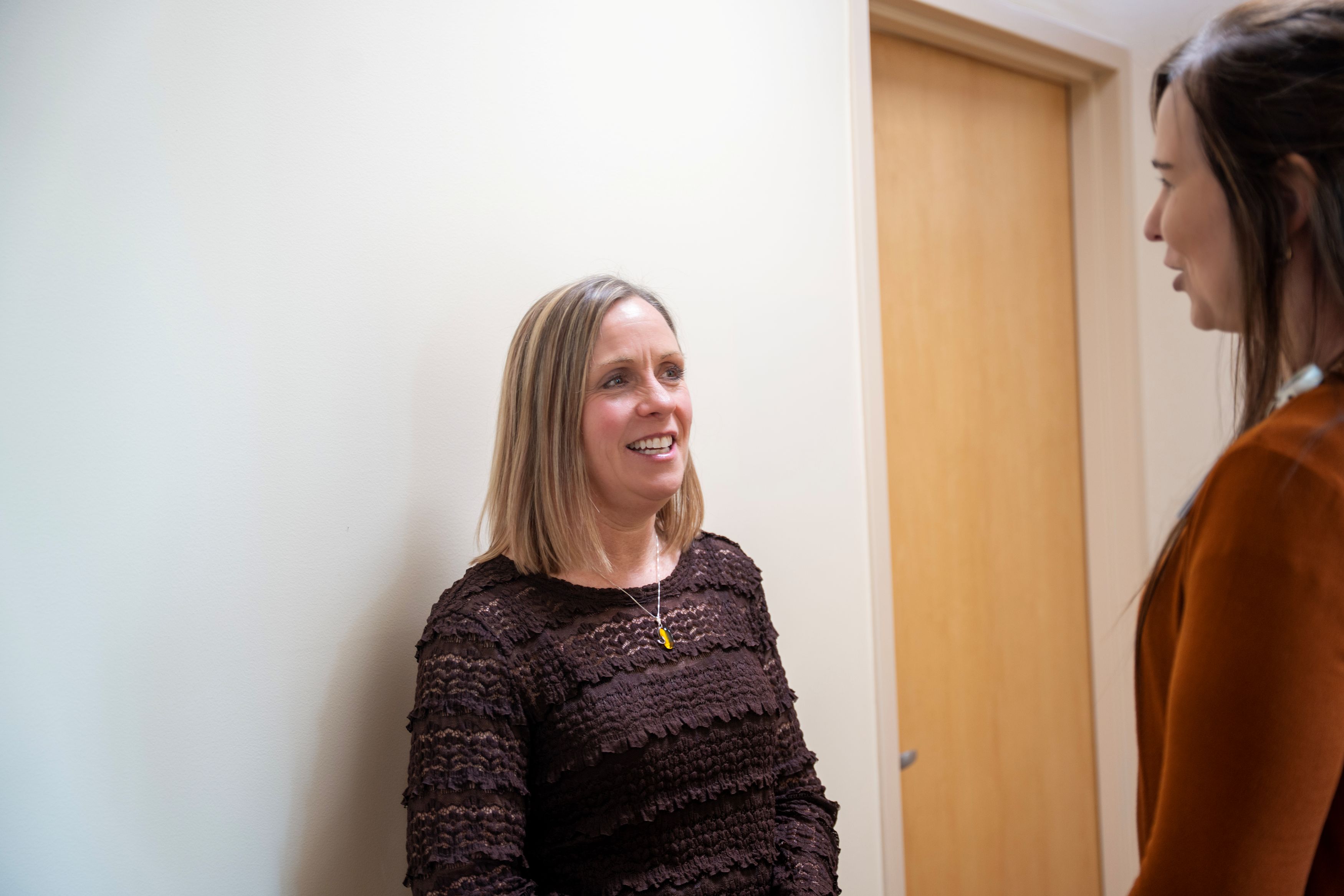
Dr. Katherine Jackson-Schneider, Aspirus Family Medicine Physician
An estimated 225,000 U.S. adults are hospitalized each year with pneumococcal pneumonia, according to the American Lung Association (ALA). Health experts say vaccination, good hygiene and prompt treatment can help reduce the risk of serious complications, particularly among young children, older adults and people with chronic health conditions.
World Pneumonia Day, observed annually on Nov. 12, serves as a reminder that pneumonia can quickly become serious if symptoms are ignored.
"Pneumonia can range from a mild illness to a life-threatening condition that requires hospitalization," said Dr. Katherine Jackson-Schneider, a family medicine physician with Aspirus Health. "The good news is that several everyday actions can help reduce risk, and recognizing symptoms early can help people get the right care sooner."
Pneumococcal vaccination is recommended for children younger than 5, adults 50 and older, and certain people at increased risk. Vaccines for influenza, COVID-19 and respiratory syncytial virus, or RSV, can also help prevent illnesses that may lead to pneumonia.
Other preventive measures include washing hands regularly, covering coughs and sneezes, avoiding close contact with people who are sick, avoiding tobacco use and managing chronic conditions such as heart disease, lung disease and diabetes.
Common symptoms include cough, fever, chills, fatigue and shortness of breath. While pneumonia may resemble a cold or the flu, worsening symptoms or an illness that gets worse instead of better may signal the need for medical care.
"Don't assume a lingering cough is just a cough, especially if it isn't improving after several days or symptoms are getting worse," Dr. Jackson-Schneider said. "If you develop fever, chills, worsening shortness of breath or have health conditions that put you at higher risk, talk with your health care professional sooner rather than later.”
People should seek emergency care for severe difficulty breathing or bluish lips or skin.
To learn more about pneumonia prevention and recommended vaccinations, talk with your primary care provider or find one at search.aspirus.org/providers.

Back to all Posts