Unused medications can put families at risk
10/19/2026
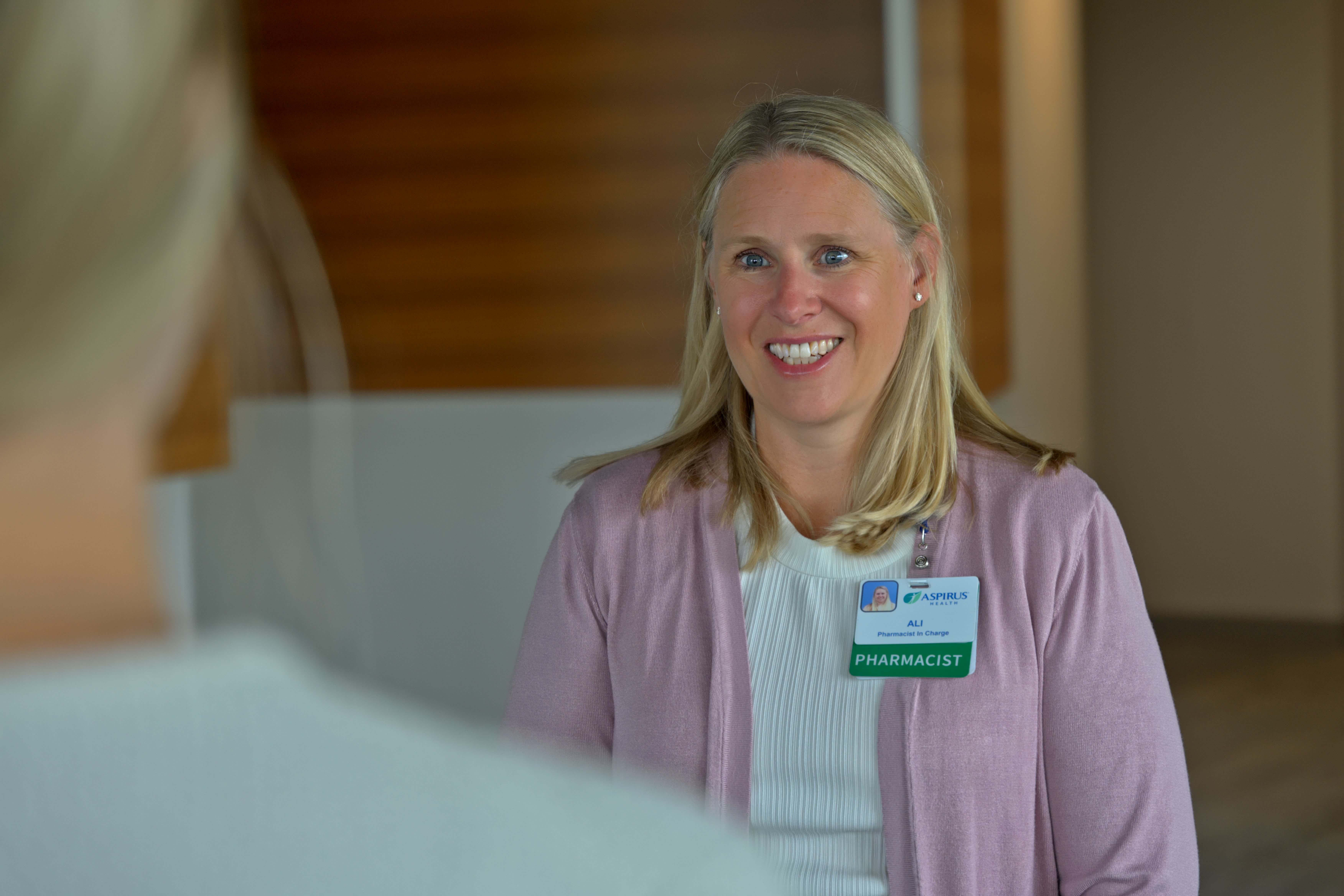
Allison Waraksa, Aspirus Pharmacist
Expired and unused medications can increase the risk of accidental poisonings, medication mistakes and misuse, especially when they remain in homes long after they are needed. National Prescription Drug Take Back Day, October 24, gives residents a safe way to dispose of medications they no longer use.
Many households keep medications after a prescription changes, an illness ends or a medication reaches its expiration date. While often saved "just in case," those medications can create unexpected safety risks when they remain in the home.
"Sometimes people will self-treat with the wrong medications," said Allison Waraksa, pharmacist with Aspirus. "Using expired medications or leftover antibiotics to treat the wrong illness can delay treatment and be harmful to a patient's health."
While using old medications can be risky for the person taking them, keeping unused prescriptions at home may also create hazards for children and pets. Medications left on counters or stored in purses, backpacks and other accessible locations may be mistaken for candy or accidentally ingested.
According to a Centers for Disease Control and Prevention (CDC)-led study published in the American Journal of Preventive Medicine, more than 36,000 children under age 5 are treated in emergency departments each year for accidental medication exposures.
"That is a lot of unnecessary ER visits just due to medications lying around," Waraksa said. "This is also something that we can prevent by keeping medications out of the reach of children."
Waraksa said medications commonly involved in accidental ingestions include pain medications, diabetes medications, heart medications and muscle relaxants. She added that medication organizers and other places people assume are secure can attract a child's attention if left within reach.
Medications should be disposed of when they expire, are no longer needed, have been replaced by a new dose, are leftover from an antibiotic prescription or show changes in color or smell, Waraksa said. If a child may have swallowed a medication, caregivers should try to identify what was taken and contact Poison Control immediately.
National Prescription Drug Take Back Day provides a convenient opportunity for residents to clean out medicine cabinets and safely dispose of unused medications. Safe disposal options are also available throughout the year through permanent medication drop boxes and pharmacy mail-back programs, Waraksa said.
"If somebody has a cabinet full of medications that they're saving just in case, I would tell them it's time to go through it and get rid of them," Waraksa said. "It's very important to take a few minutes to look through your medications, identify what you no longer need, what is expired, and bring those medications back on Drug Take Back Day."
For more information about Drug Take Back Day or to find a year-round medication disposal location, visit https://www.dea.gov/takebackday. If medication ingestion is suspected, contact Poison Control at 1-800-222-1222. Call 911 immediately if severe symptoms, such as trouble breathing, occur.

Back to all Posts