Aspirus emphasizes early recognition, teamwork during Sepsis Awareness Month
Education, technology and coordinated care help improve outcomes for patients with life-threatening infections.
9/3/2026
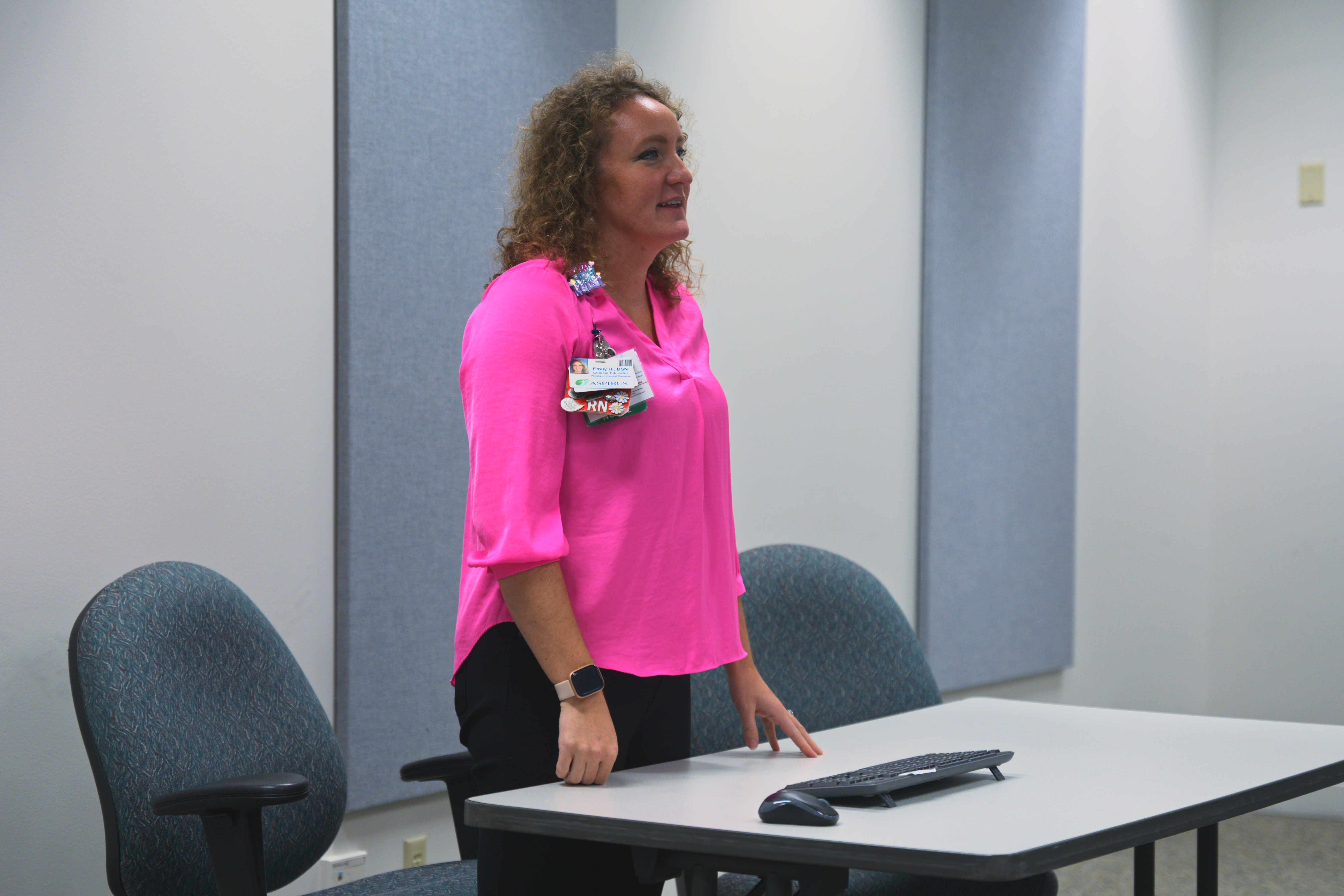
Emily Hess, RN, BSN, Aspirus Nurse Educator
Sepsis is a life-threatening medical emergency that occurs when the body's response to an infection damages its own tissues and organs. According to the Centers for Disease Control and Prevention, about 1.7 million adults and more than 18,000 children in the United States develop sepsis each year, and at least 1 in 5 adults who develop sepsis die during hospitalization or are discharged to hospice.
During Sepsis Awareness Month, Aspirus is highlighting the education, technology and teamwork that help clinicians recognize and treat sepsis as quickly as possible. Because symptoms can be subtle and sometimes resemble other medical conditions, early recognition is critical to improving patient outcomes.
"Sepsis isn't really simple. It sneaks up on people and has a lot of different signs and symptoms to look for," said Emily Hess, RN, BSN, Aspirus Nurse Educator. "They're really subtle until they're not, and that's when it becomes dangerous to the patient."
At Aspirus, nurses and providers receive ongoing education focused on identifying and treating sepsis. Training begins during onboarding and continues throughout a caregiver's career through interactive learning opportunities designed to strengthen sepsis recognition skills.
The health system also uses electronic health record tools that alert clinicians when a patient may be showing early signs of sepsis. Those alerts prompt caregivers to evaluate symptoms, review vital signs and laboratory results, and collaborate on the next steps in a patient's care.
Treating sepsis requires a coordinated effort among nurses, physicians, pharmacists and laboratory professionals. From selecting the appropriate antibiotics to monitoring how patients respond to treatment, each team member plays an important role in delivering timely care and helping patients recover.
Hess said patient education remains an important part of treatment. Individuals recovering from an infection should take medications as prescribed, attend follow-up appointments and watch for signs that symptoms may be returning or worsening. People who have experienced sepsis in the past may face a higher risk of developing it again.
For more information about sepsis, including symptoms, risk factors and prevention tips, visit the CDC's About Sepsis page.

Back to all Posts