Top 3 Concussion Safety Tips for Winter Sports Athletes
2/4/2026
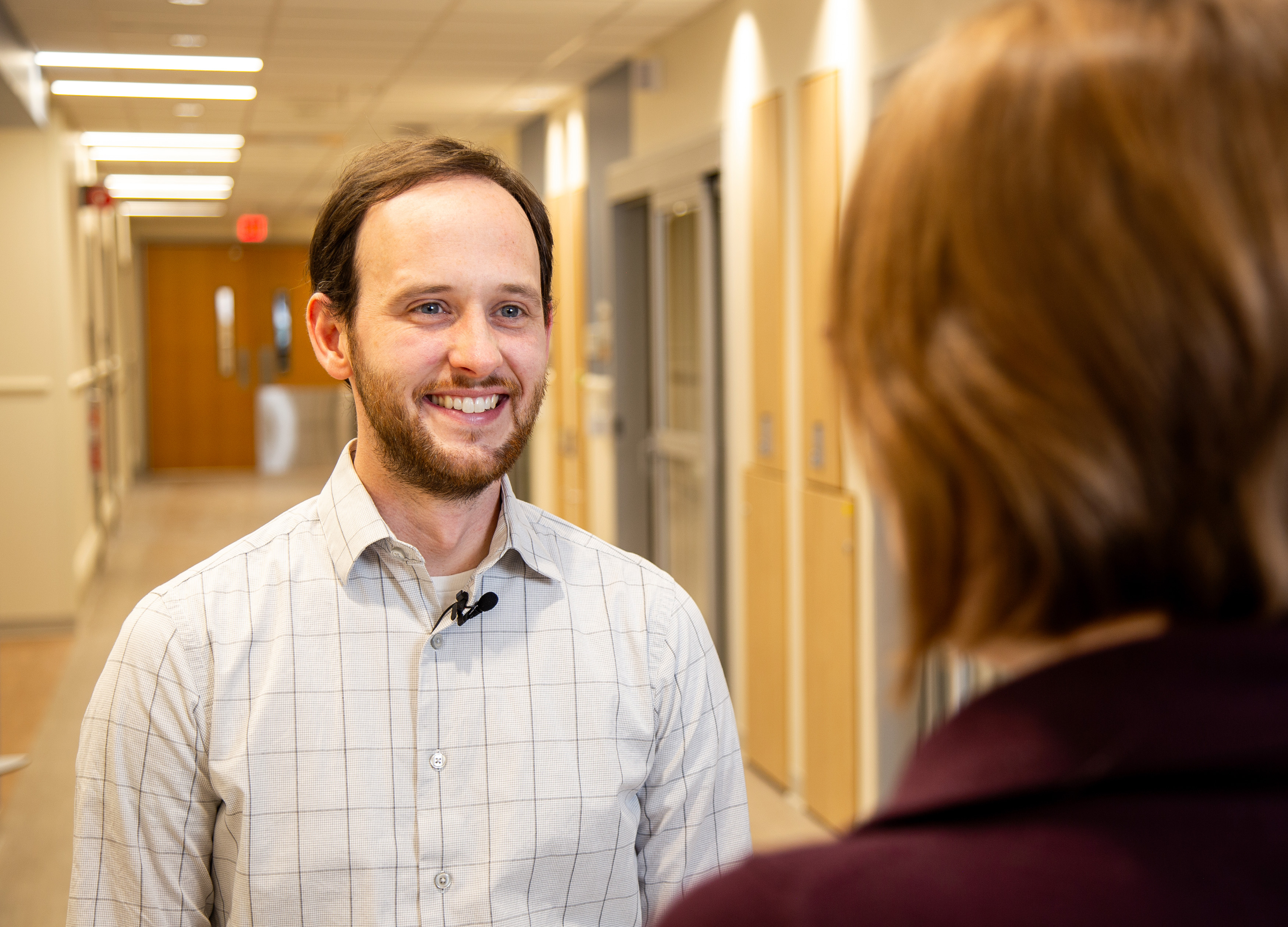
Dr. Joseph Benert, Aspirus Sports Medicine Physician
In activities like hockey, skiing, and snowboarding, speed is part of what makes them exciting. However, it also increases the risk of head injuries like concussions. As elite winter athletes compete on the world stage this month, concussion awareness is just as important for youth, recreational, and adult athletes closer to home.
“When an impact or jolt causes the brain to move rapidly back and forth inside the skull, that’s considered a concussion,” explained Dr. Joseph Benert, a Sports Medicine Physician at Aspirus. “Understanding the risks, recognizing symptoms, and knowing what to do if you suspect one can make a big difference.”
Here are three things to know about concussions so you can better protect yourself and your loved ones this winter.
1. If you hit your head, take a timeout.
Concussions are different from injuries like a broken arm or a sprained ankle. Symptoms don’t always appear right away, and adrenaline can make a person feel fine at first. That can make it hard to know whether a concussion occurred or how serious it might be.
“It may be tempting to brush off a fall or hard hit to keep playing, but that can lead to more severe injury,” said Dr. Benert. “Taking a break to monitor symptoms is always the best choice.”
More serious symptoms, such as loss of consciousness, persistent nausea or vomiting, or significant balance problems, require urgent medical attention.
2. Symptoms can be subtle, and recovery takes time.
Concussion symptoms can vary and aren’t always immediate or obvious. Common signs include:
- Headache
- Dizziness
- Confusion
- Slowed thinking
- Vision issues
If these symptoms appear, a concussion may have occurred. During the first 24 to 48 hours, rest is critical to give the brain time to recover. After that, individuals can gradually return to normal activities as long as symptoms don’t worsen.
“Gentle movement like walking or light biking can aid recovery,” Dr. Benert explained. “But when it comes to screen time, moderation is key. Too much eye strain or blue light can make symptoms worse, so it’s important to take breaks if symptoms increase.”
Most concussion symptoms resolve within 10 to 14 days, though recovery in children and teens can take up to a month. Delayed symptoms such as mood changes, trouble concentrating, or increased fatigue can also appear later. If symptoms persist or worsen beyond a month, talk to your primary care provider.
3. Loop others in and speak up if something feels off.
Communication with schools, employers, coaches, and trainers is an important part of concussion recovery. Looping others in helps set clear expectations and allows accommodations to be made when needed.
It’s also important to involve a health care team, such as a primary care provider, athletic trainer, or physical therapist, when planning a return to sports. Rather than relying on a set timeline, return to play should follow a step‑by‑step process, advancing only as symptoms allow and under medical guidance.
“Don’t hesitate to advocate for yourself or your child,” Dr. Benert said. “Concussion symptoms can be subtle and not immediately obvious to others. If you’re concerned, speak up. There are many effective treatments, including physical therapy for balance or vision issues and, in some cases, medications to help with sleep or mood.”
Keeping safety part of the fun
Winter sports can be an excellent way to enjoy the season, as long as safety is a priority. “Taking the right precautions doesn’t take away the fun,” Dr. Benert said. “It keeps athletes healthy and ready to make the most of the season.”
For more information about concussions, including symptoms and treatment options, visit aspirus.org or contact your local Aspirus clinic.

Back to all Posts