Menopause Symptoms Often Overlooked, but Treatment Options are Expanding
Increased awareness is helping women recognize symptoms and seek care during a common life transition.
10/5/2026
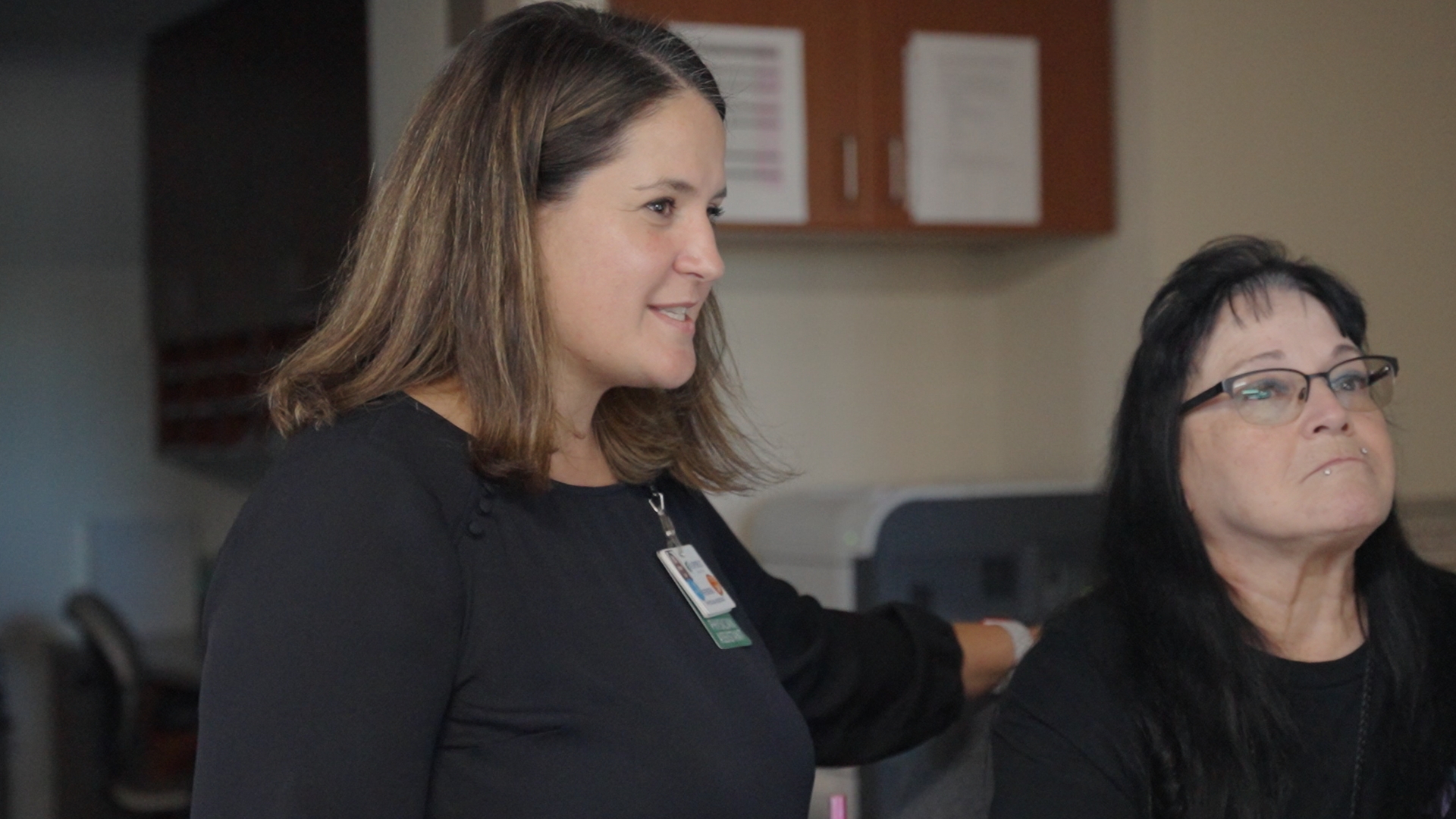
Kendra Konitzer, PA-C, Aspirus OB/GYN
Hot flashes and night sweats are among the most recognized signs of menopause, but the transition can also affect sleep, mood, weight, skin, hair and overall quality of life. As awareness grows, more women are learning that symptoms often begin years before menopause and that effective treatment options are available.
Menopause is defined as 12 consecutive months without a menstrual cycle. The years leading up to that milestone, known as perimenopause, can bring many of the same symptoms while also causing irregular menstrual cycles. According to the National Institute on Aging, the average age of menopause in the United States is about 52. Women typically begin experiencing perimenopause several years earlier.
Many women assume symptoms such as fatigue, sleep disruption, mood changes or difficulty managing weight are simply part of aging or the result of stress and burnout. However, these symptoms may be connected to hormonal changes associated with perimenopause and menopause.
“Women often come in feeling frustrated because they have symptoms that affect their daily lives, but they have been told their lab work is normal,” said Kendra Konitzer, PA-C, Aspirus OB/GYN. “Laboratory testing is not required to diagnose perimenopause, and treatment decisions are often based on symptoms rather than lab results. The goal is to help women feel better and improve their quality of life.”
Experts say one of the biggest misconceptions about perimenopause is that a blood test can definitively determine when the transition begins. Because hormone levels fluctuate significantly during this stage, test results can be difficult to interpret and may not provide clear answers.
Health care providers now have a growing range of treatment options available. Depending on an individual's symptoms, care plans may include hormonal therapies, nonhormonal treatments or lifestyle strategies tailored to a patient's needs and health history.
“Perimenopause and menopause have not always received the attention they deserve, but that is changing,” Konitzer said. “Women are talking more openly about their experiences, and research is expanding our understanding of how to manage symptoms effectively. The more we discuss it, the better equipped women are to advocate for their health.”
While some women experience few symptoms, others may face challenges that significantly affect work, relationships and daily activities. Health experts encourage women to discuss concerns with their primary care provider or OB-GYN, particularly when symptoms begin interfering with everyday life.
For more information about women's health services and menopause care, visit aspirus.org/womens-health.

Back to all Posts