Could It Be Endometriosis?
3/30/2026
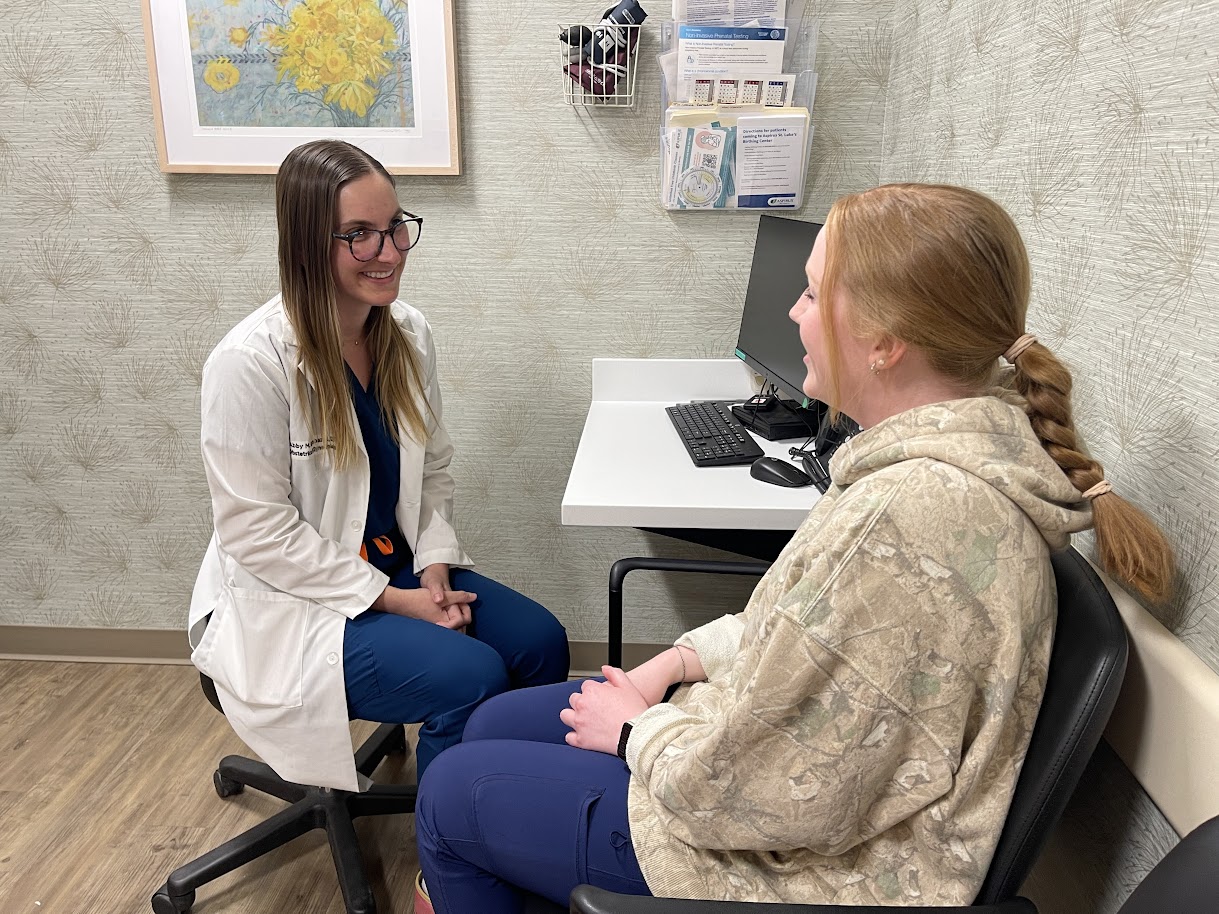
Dr. Abby Lombardi, Aspirus OB/GYN
It’s incredibly frustrating to have something going on with your body that disrupts daily life. Even harder is not being able to pinpoint what it is.
For one in 10 women, the cause is endometriosis. With March being Endometriosis Awareness Month, it’s a good time to bring attention to this often-overlooked disease.
“Endometriosis is a condition where the cells that are normally growing in the uterine lining leave the uterus and implant elsewhere, most commonly in the belly wall lining called the peritoneum,” Dr. Abby Lombardi, an OB-GYN at Aspirus Health explained. These cells can attach to organs throughout the abdomen and pelvis, including the ovaries, bladder, and even the diaphragm. In rare cases, endometriosis has been found in areas such as the lungs or the brain.
This leads to cysts, scar tissue, and chronic inflammation, all of which may contribute to significant pain. Symptoms vary widely, but can include:
- Painful, heavy, or irregular periods
- Chronic pelvic pain
- Painful intercourse
- Gastrointestinal or bladder issues
Because up to 50 percent of people may have no noticeable symptoms at all, while others experience symptoms that overlap with many conditions, diagnosis can be significantly delayed or missed entirely. Endometriosis can also make it harder to get pregnant. Research shows that up to 40 percent of women with unexplained infertility were later found to have the condition. This is often due to the inflammation and scarring in the reproductive organs that endometriosis can cause.
Researchers are making progress in understanding the biology and mechanisms behind the disease, including inflammation, hormonal and immune factors, and improved ways to diagnose and manage the condition. However, much about endometriosis still remains a mystery, including its exact cause.
There is evidence, however, that genetics may play a role. “Having a first-degree relative with endometriosis increases your risk by tenfold,” Dr. Lombardi shared.
While there is no cure, there are treatment options available to help manage symptoms. These can include hormonal medications such as birth control, pain management therapies, pelvic floor physical therapy, and surgical procedures to remove endometrial tissue. Additionally, advances in minimally invasive and robotic surgery are helping physicians better identify and treat the condition.
“The one thing that I would love for my patients to know is that it could always be endometriosis,” Dr. Lombardi said. “There’s just so many symptoms that it can cause, and the disease's presentation is so variable that it’s never off the table.”
Because of this, awareness and early recognition are critical. Dr. Lombardi encourages women to speak up about their symptoms and be honest about how they are affecting daily life. “It’s never normal to miss work or school because of heavy, painful periods,” she said.
After years of unexplained pain and uncertainty, finally receiving a diagnosis can bring relief and validation. It also provides a path forward.
“Not knowing what’s going on with their bodies and suffering from persistent undiagnosed pain understandably makes a lot of women feel crazy,” Dr. Lombardi shared. “But they’re not crazy. They really have something going on. And once we know what it is, we can figure out what to do about it.”
If you have questions about unusual periods, pelvic pain, or other ongoing symptoms, start by talking with your primary care provider. You may also benefit from seeing an OB-GYN who has experience diagnosing and treating conditions like endometriosis. To find a compassionate, expert Aspirus provider near you, visit aspirus.org to use the Find a Doctor tool.

Back to all Posts