Sleep Changes You Shouldn’t Ignore
3/9/2026
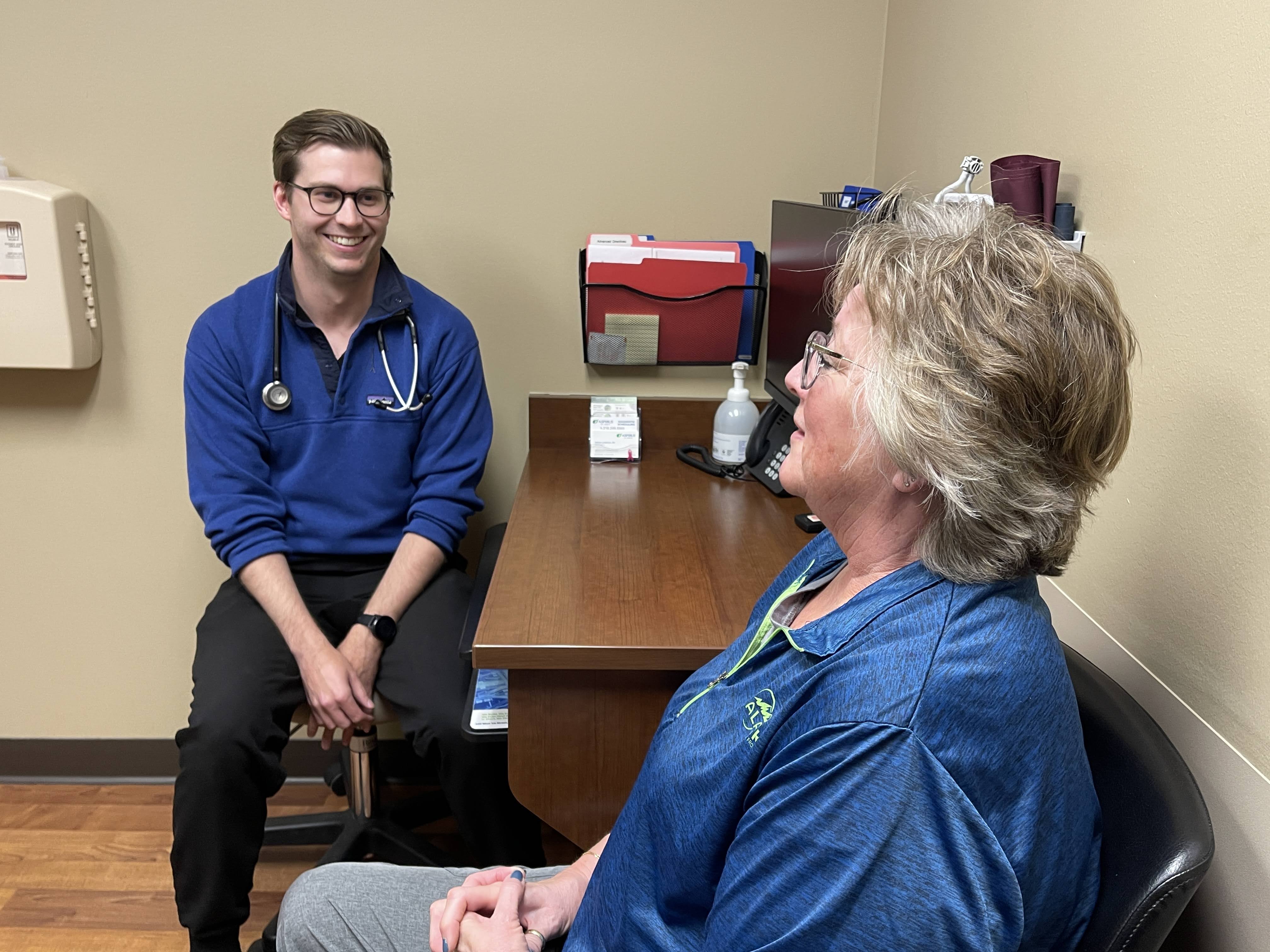
Dr. Dakota Lundstrom, Aspirus Primary Care Physician
If you’ve ever been frustrated by changes in your sleep patterns, you’re not alone. “Sleep changes are extremely common,” said Dr. Dakota Lundstrom, a primary care provider at Aspirus Health. “We see upwards of 40 to 50 percent of people at some point complain of sleep disturbances.”
Middle-aged adults are among the most likely to notice changes. A 2024 national survey by AARP found that about 70 percent of adults aged 40 and older reported trouble sleeping, including difficulty falling asleep, staying asleep, or waking too early.
While some changes in sleep patterns are a normal part of aging, there are a few warning signs worth paying attention to.
1. Excessive Daytime Sleepiness
“When it comes to sleep issues, the most important question is whether it’s impacting your daily life,” Dr. Lundstrom said.
Concerning symptoms include falling asleep unintentionally during the day, struggling to stay awake even after naps, or having trouble concentrating and thinking clearly.
For women, hormonal changes during perimenopause and menopause can significantly disrupt sleep and deserve attention. Frequent, disruptive night sweats or hot flashes can greatly affect quality of life and often can be treated.
2. Loud Snoring or Pauses in Breathing
As you age, the risk of sleep apnea increases. When you have this condition, breathing repeatedly stops and starts during sleep. This can often happen without someone realizing it.
Sleep apnea is serious. It can increase the risk of high blood pressure, heart disease, and stroke, making early evaluation and treatment especially important.
“If you’re snoring loudly or your partner notices that you stop breathing at night, those are big red flags that need to be addressed,” Dr. Lundstrom said. Other symptoms can include waking up gasping or choking, and frequent morning headaches.
3. Sleep Problems After Starting a New Medication
As health needs change, starting new medications is common. However, it’s important to pay attention to any new symptoms these treatments may bring, since some can affect sleep quality.
Common culprits include certain blood pressure medications, thyroid hormone replacements, corticosteroids, antidepressants, and even some cold or allergy medicines.
If you notice a change shortly after you begin taking a medication, it’s worth mentioning to your provider. “Sometimes there could be alternatives we could try or different times of day to take the medication that can also help,” Dr. Lundstrom said.
What’s Normal and When to Seek Help
While changes in your sleep pattern can be frustrating, not all are cause for concern. Dr. Lundstrom shares, “Normal changes, especially as you age, include falling asleep earlier than usual, needing slightly less total sleep, and taking occasional daytime naps.”
However, if you ever have questions about changes in your sleep patterns, it’s worth talking with your provider. Catching issues early can protect your overall health and help you feel more rested and alert each day.
If you have any questions about your sleep quality, talk to your primary care provider. To find a doctor near you, visit aspirus.org to use the Find a Doctor tool.

Back to all Posts