Navigating Sleep During Daylight Saving Time
Aspirus Sleep Expert Shares Tips to Beat Fatigue
3/5/2026
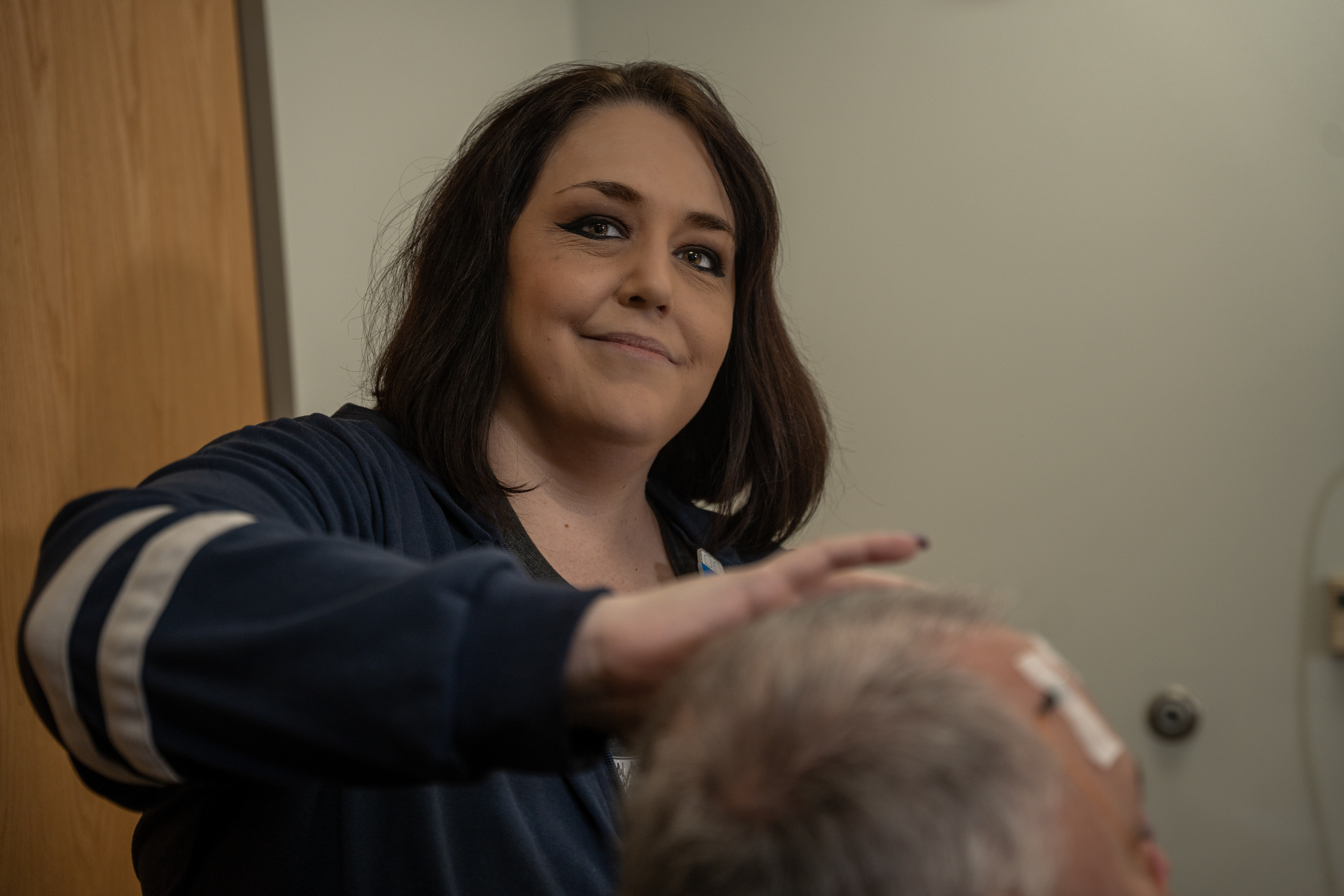
Jessica Harris, Aspirus Registered Polysomnographic Technologist
As we prepare to "spring forward" and adjust our clocks this weekend, many people will feel the effects of the shift, particularly when it comes to sleep. While the transition may seem like a simple adjustment, it can have a meaningful impact on our bodies, including our circadian rhythms and the release of melatonin, the hormone that regulates sleep.
According to Jessica Harris, a registered polysomnographic technologist at Aspirus Health, the main concern with daylight saving time is the disruption of our body’s natural sleep-wake cycle.
"Normally, when it gets dark, our body releases melatonin, a hormone that signals sleepiness," Harris explains. "With this shift, we have longer days, more sunlight at night, and darker mornings. This delays the release of melatonin, making it harder to feel sleepy at the usual time."
This change in our internal clock can make it harder to fall asleep and wake up, particularly for certain groups, such as night shift workers, teenagers, and individuals with insomnia. Harris says, “Teenagers and people with insomnia tend to go to bed later at night, and the extra daylight encourages them to stay up even later.”
Sleep disruption during this period can have real consequences, affecting both physical and mental health. Harris says fatigue can cause difficulty at school and work. “Sleep deprivation may also lead to an increase in car accidents, brain fog, and even an uptick in depression, particularly during the first week after the clock change.”
To minimize the impact of the seasonal adjustment, the American Academy of Sleep Medicine (AASM) recommends gradually adjusting your sleep routine in the days leading up to the change.
"Start by going to bed about 15 to 20 minutes earlier each night and wake up a little earlier as well. Try adjusting your meals and exercise times accordingly," Harris suggests. "In the days following the time change, try to get plenty of sunshine in the morning to help your body adjust and keep you alert during the day," she advises.
For those struggling with persistent sleep issues, Aspirus Health offers comprehensive diagnostic sleep studies. These studies monitor sleep stages, breathing, and heart function to ensure everything is functioning properly during sleep.
“We offer gold-standard in-lab sleep studies, home studies, and testing for conditions like sleep apnea and narcolepsy," says Harris. "Our team of expert technicians is dedicated to providing the best care and guidance for our patients."
While daylight saving time may temporarily disrupt sleep schedules, small, strategic adjustments can ease the transition.
To learn more about sleep medicine services and how Aspirus can help improve your sleep, please visit aspirus.org/sleep-medicine.

Back to all Posts