The Dangers of Preeclampsia and How to Prevent It
5/22/2026
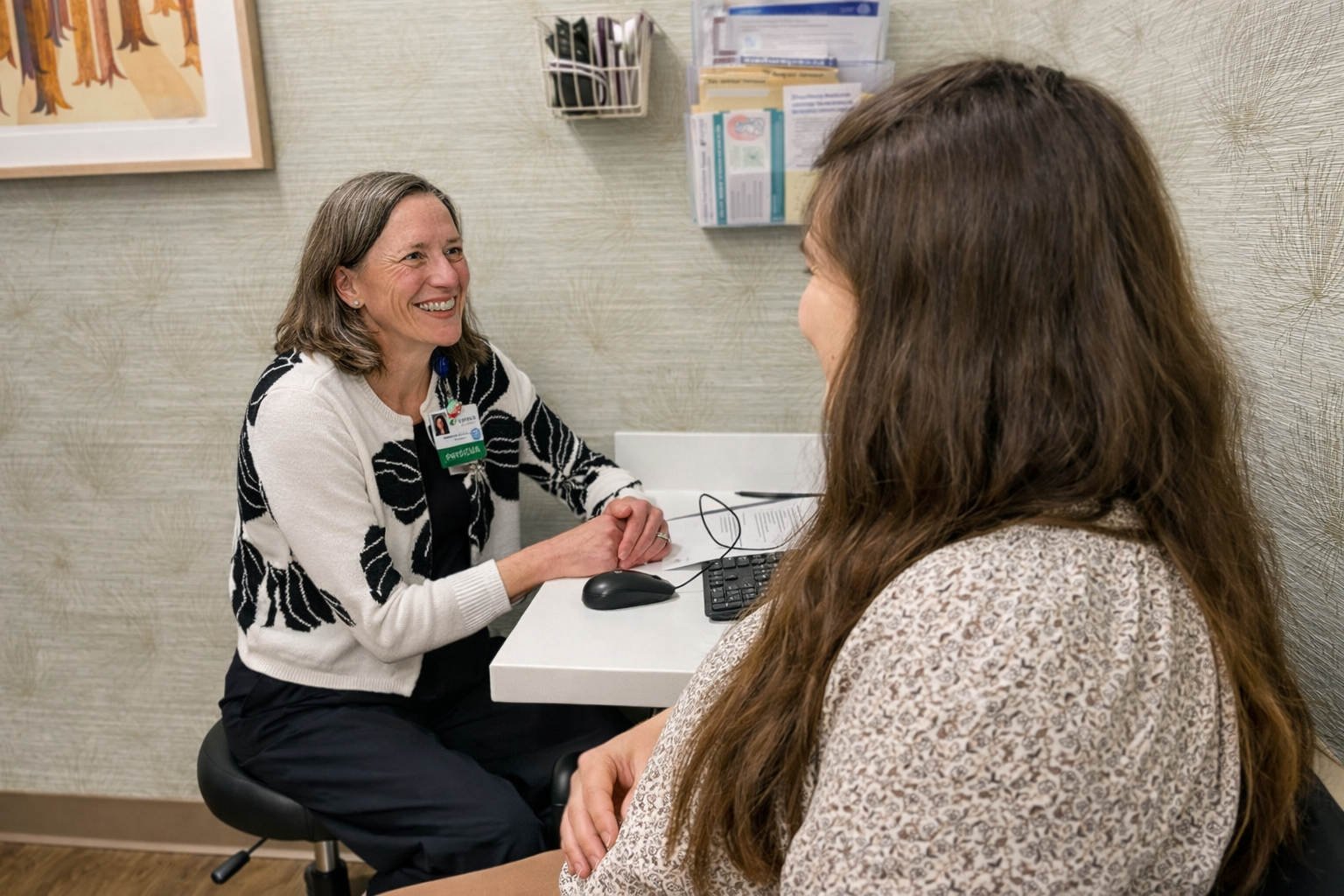
Dr. Jennifer Boyle, Aspirus OB-GYN
Pregnancy is an important time to focus on overall health and well-being. While there are potential risks, many pregnancy-related complications can be managed or reduced with early prenatal care and healthy lifestyle habits.
During Preeclampsia Awareness Month, Aspirus Health Obstetrician and Gynecologist Dr. Jennifer Boyle highlights preeclampsia, one of the most significant hypertensive disorders of pregnancy.
“Preeclampsia is a disease that happens, usually in the later part of pregnancy,” she said. “Warning signs include high blood pressure, protein in the urine, and usually swelling.”
While the exact cause of preeclampsia is not fully understood, there is a strong body of knowledge around identifying risk factors and effectively managing the condition. One of the most significant modifiable risk factors is body weight.
“About 40 percent of the preeclampsia cases we see are associated with obesity or being overweight,” Dr. Boyle explained. In clinical settings, body weight is often assessed using body mass index, or BMI. A BMI between 25.0 and 29.9 is considered overweight, and a BMI of 30 or higher is considered obesity, with risk generally increasing as BMI rises.
Several additional factors can increase risk, including:
- First pregnancies
- Chronic high blood pressure
- Diabetes
- Kidney disease
- Carrying multiples such as twins
Preeclampsia is also thought to be related to how the placenta develops early in pregnancy, which is why regular prenatal care and monitoring are so important.
While not all risk factors can be changed, focusing on overall health before and during pregnancy can make a meaningful difference. This can include maintaining a balanced diet, staying physically active, and working with a health care provider to manage any underlying conditions before becoming pregnant.
For Dr. Boyle, these conversations tie back to a broader perspective on pregnancy and long-term health.
“When you think of a pregnancy, it’s like doing a stress test,” she said. “If your body is really stressed by pregnancy, then you may have heart disease or hypertension in the future, and so it’s really important to know that about you, and also know that maybe there’s some things you could modify, like making sure that you're eating a healthy diet, and that you're getting plenty of exercise.”
If you have questions about preeclampsia or are planning a pregnancy, start by talking with your primary care provider or an OB-GYN. They can help determine the right level of care and support based on your individual health needs. To find a compassionate, expert Aspirus provider near you, visit aspirus.org to use the Find a Doctor tool.

Back to all Posts